

Why Should I File ISF For Dough Sheeter
?Are you seriously thinking about skipping the ISF for your dough sheeter shipment and gambling with your business?
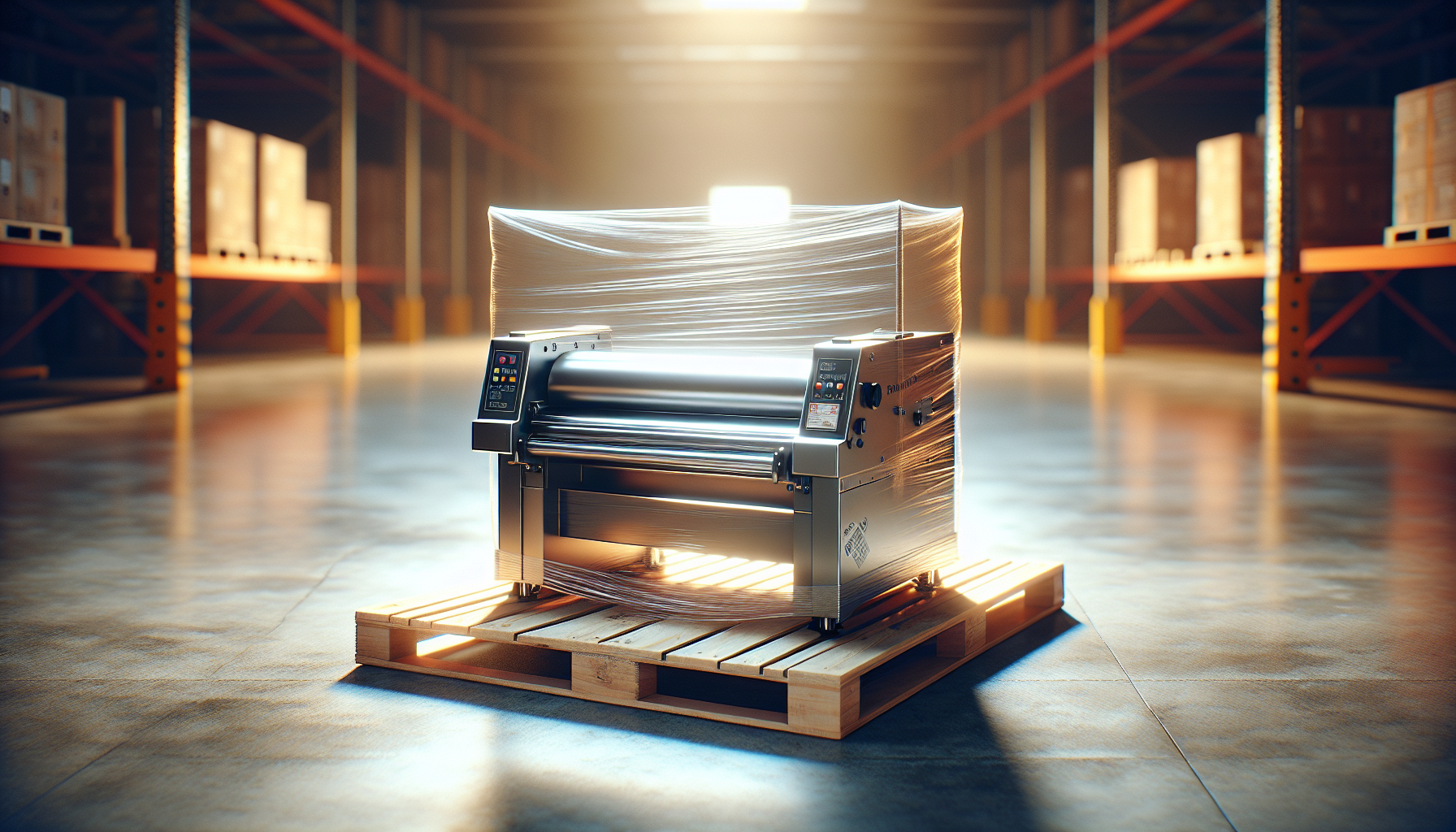
Why Should I File ISF For Dough Sheeter
You need to understand this is not optional if you want to avoid fines, delays, and headaches. The Importer Security Filing (ISF) is a U.S. Customs and Border Protection (CBP) requirement for ocean shipments arriving in the United States. When you’re importing something that seems as mundane as a dough sheeter, you still trigger ISF obligations — and yes, the government will hold you accountable.
What IS the ISF and why it targets you
ISF, commonly called the “10+2” filing, requires certain information about your incoming cargo to be submitted to CBP 24 hours before the vessel departs the foreign port. You’re responsible for providing accurate data: importer of record, consignee, seller, shipper, container stuffing location, and more. If you think your dough sheeter is exempt because it’s a single machine or a low-value item, you’re wrong.
Who must file the ISF
You’re the importer of record or your agent (like a customs broker) — one of you must file. If you try to avoid filing by pretending another party will handle it, you’re still on the hook if the filing is incorrect or late. Don’t be naive: CBP enforces this strictly.
Expertise Depth: Why this matters to you financially and legally
You might be unfamiliar with customs law, but this isn’t the place to be casual. Filing ISF improperly or late invites penalties — typically $5,000 per violation, though CBP can adjust based on willfulness and other factors. If your dough sheeter arrives without a proper ISF, CBP can hold the cargo at the port or levy fines, costing you more in demurrage, storage, and lost production than filing properly in the first place.
Specific data elements you’re required to supply
You have to provide these pieces of information before the 24-hour cut-off:
- Seller
- Buyer
- Importer of Record Number/Foreign Trade Zone applicant identification
- Consignee Number(s)
- Manufacturer (or supplier)
- Country of origin
- Harmonized Tariff Schedule (HTS) number
- Container stuffing location (for containerized cargo)
- Consolidator (stuffer)
- Bill of lading number Get them detailed and correct. One wrong HTS code or an omitted container stuffing address and you’re in trouble.
User Journey Completion: Start-to-finish ISF process for your dough sheeter
You need an action plan. Here’s the step-by-step flow that covers what you must do and what to expect.
Step 1 — Prepare documentation early
Collect the commercial invoice, packing list, supplier details, and transport booking early. If your supplier is slow, that’s your problem — you should be pushing them to provide the data days before shipment.
Step 2 — Decide who will file
You can file the ISF yourself or use a broker. If you opt to file, know the CBP ACE (Automated Commercial Environment) portal and have your ACE portal access established. Most importers hire professional help because mistakes cost more than fees.
Step 3 — Submit ISF 24 hours before vessel departure
You must submit the ISF 24 hours prior to vessel departure from the foreign port. Yes, 24 hours — not 23, not 12. If you miss it, you’re late, and CBP will likely issue a penalty.
Step 4 — Monitor and correct if necessary
After filing, monitor acceptance or rejection messages. If CBP rejects your ISF for missing or incorrect data, correct it immediately. Delays increase your exposure to fines and port holds.
Step 5 — Post-arrival compliance
When your dough sheeter arrives, be ready for cargo release, inspections, or hold notices. If CBP inspects your machine, have documentation ready: invoices, certificates, supplier declarations. If the ISF was properly filed, you’ve already reduced the risk of hold.
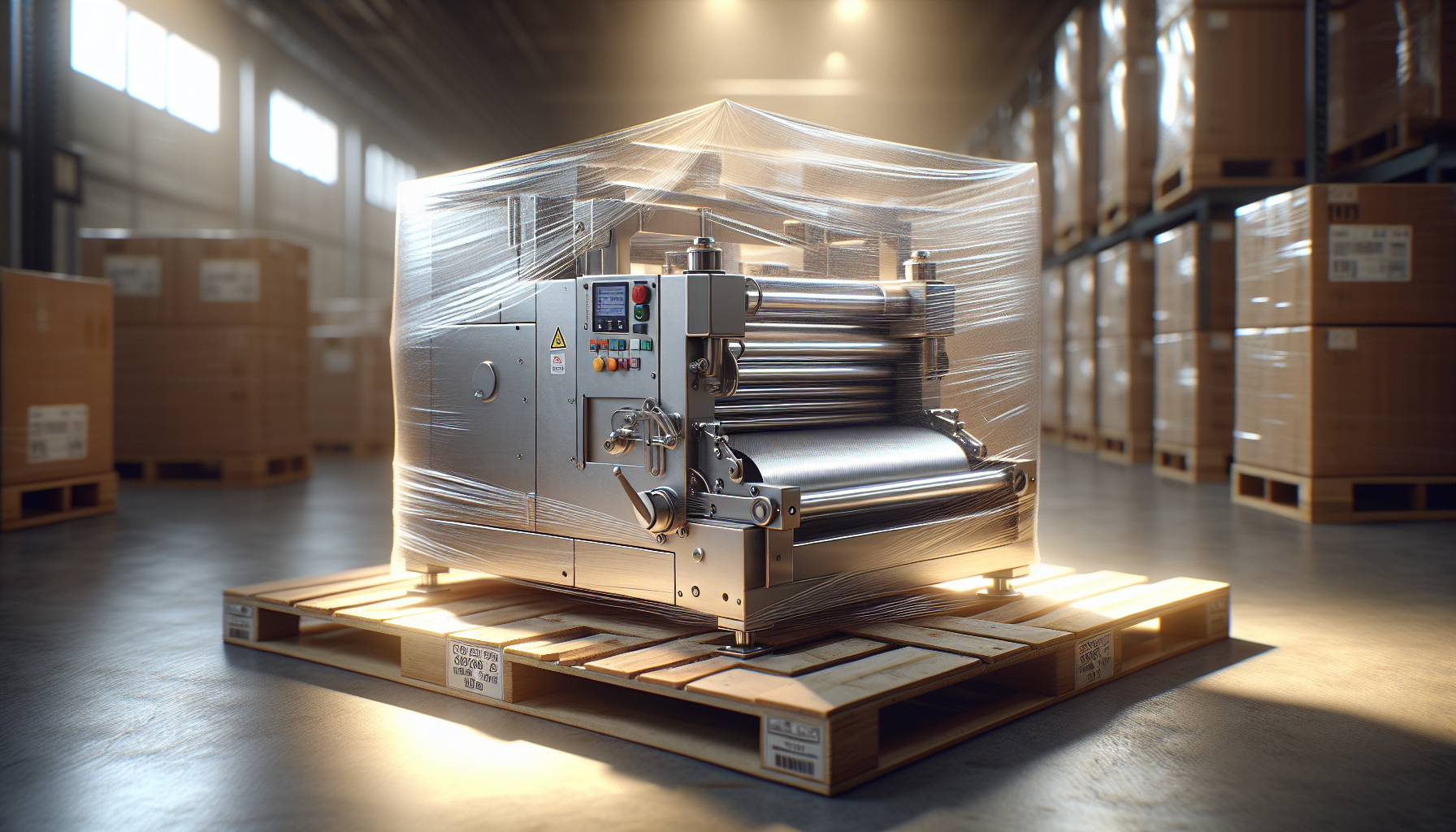
Fresh Perspective Value: Why a dough sheeter needs attention like any other cargo
You might think a single piece of industrial equipment is minimal risk, but CBP cares about cargo regardless of type. A dough sheeter could be part of a larger shipment, could include parts or consumables, or could be misdeclared by the supplier. You have to treat this with the same rigor as dozens of pallets.
Misdeclaration myths you must stop believing
- “Low value = low scrutiny.” Wrong. CBP scrutinizes based on risk indicators that are not limited to value.
- “One machine won’t attract attention.” Wrong. Single-item shipments get processed and can be inspected—especially if HTS codes or country-of-origin statements are inconsistent.
- “My supplier will handle everything.” Don’t rely entirely on suppliers; you are the importer of record and liable for compliance.
Covering edge cases and compliance tips you will thank yourself for
You must consider unusual situations and prepare contingency plans. Don’t wing it.
Edge case: Supplier changes shipping details last minute
If your shipper or port of loading changes after you filed the ISF, update the filing immediately. CBP expects accurate, updated information. If the vessel departs under a different bill of lading or route, you risk rejection or penalty.
Edge case: Containerized vs. breakbulk shipments
If your dough sheeter is containerized, you need the container stuffing location and consolidator info. If it’s breakbulk or Ro-Ro (roll-on/roll-off), the filing requirements differ slightly, but you still must provide correct consignee and manufacturer information.
Edge case: Damaged or missing components on arrival
If parts are missing or damaged, you still must have accurate ISF information. Document anything damaged immediately and prepare to supply evidence to CBP if they investigate compliance or value discrepancies.
Compliance tips you must follow
- Always obtain and verify the HTS classification. An incorrect classification can lead to duties and penalties.
- Maintain supplier declarations for country of origin.
- Keep electronic records for at least five years — CBP can request audits.
- Use professional ISF filing tools or experienced brokers. They catch errors you won’t.
- Create internal SOPs for ISF: define who collects data, who authorizes filings, and timelines for updates.
What penalties and operational impacts will you face if you ignore ISF?
You’re not just risking a fine — you’re putting your supply chain and reputation on the line.
Financial penalties and costs
- Typical penalty: $5,000 per violation, per CBP guidance, though willful violations can incur higher penalties.
- Demurrage and detention charges: If cargo is held because of improper ISF, you pay storage fees and lost production time.
- Inspection costs and delays: If CBP inspects your dough sheeter, you’re responsible for arranging and possibly covering costs.
Operational consequences
- Port holds: Your machine sits at the port until cleared, disrupting production schedules, installation teams, or planned launches.
- Supply chain disruptions: If the dough sheeter is part of a production line upgrade, a delay can cascade to lost revenue.
- Legal exposure and audits: Repeated or serious infractions invite CBP audits and scrutiny on future shipments.
How to choose someone competent to help you (yes, this includes brokers)
You can attempt ISF filings yourself, but most importers — especially those dealing with capital equipment like dough sheeters — hire licensed customs brokers or logistics providers to avoid mistakes.
What to look for in a broker or service provider
- Proven ISF filing experience and ACE portal access.
- Transparent pricing and clear service scope — you don’t want hidden fees billed later.
- Knowledge of HTS classification and valuation rules.
- Ability to manage bond and trucking arrangements if you need cargo moved inland post-clearance.
- Good communication and clear SLAs for submitting and correcting ISF filings.
You should insist on written confirmation that the broker will file ISF on your behalf and accept responsibility for timely filings. And no, vague promises are not acceptable.
Why you still keep responsibility
Even if a broker files for you, you remain ultimately liable as the importer of record. That means your internal compliance procedures must verify broker filings and maintain a file of documentation and confirmations.
Practical checklist you must use before shipment
If you don’t want chaos, follow this checklist every single time.
- Confirm supplier identity and manufacturer details.
- Obtain accurate HTS code and country of origin documentation.
- Collect commercial invoice, packing list, and bill of lading or booking.
- Confirm container stuffing location or breakbulk details.
- Decide who will file the ISF and confirm 24-hour cut-off compliance.
- Ensure broker or yourself submit ISF at least 24 hours before vessel departure.
- Monitor acceptance/rejection messages and correct immediately if needed.
- Prepare documentation for arrival and possible inspection.
- Retain records for at least five years.
Answering the specific question: Why should you file ISF for a dough sheeter?
Because you will be fined, delayed, and possibly audited if you don’t. Filing ISF is not about paperwork bureaucracy — it’s about keeping your supply chain moving, avoiding costs, and meeting legal obligations.
- It avoids monetary penalties.
- It prevents cargo holds and port fees.
- It demonstrates compliance to CBP and reduces inspection likelihood.
- It protects your business reputation and operational timelines.
If you’re tempted to think small shipments or machinery are harmless, stop. CBP enforcement is thorough, and you are responsible.
Where a qualified partner matters — a mention you need to read
If you’re in California or doing business through ports on the West Coast, don’t mess with unproven providers. For professional help, you might consider engaging an ISF Customs Broker in California to handle filing and compliance. That single sentence is the difference between spending $50 on a filing service and spending thousands on fines and disrupted operations.
Final angry-but-practical warning
You can’t afford to be sloppy. Your dough sheeter is not an exception — it’s an element of your supply chain that demands the same respect and compliance as bulk shipments. Get your ISF done correctly, or accept the consequences and the cost that follows. You decide if you want to be proactive or pay later.
?Did you think one article covered everything? Think again — there are nuances depending on ports, brokers, and your internal processes. Read the rest of the outputs if you want variations, scenarios, and more gritty compliance details.
