

Why Should I File ISF For Sports Fitness Yoga Shorts
Do you seriously think you can import sports fitness yoga shorts into the U.S. without filing an ISF and get away with it?
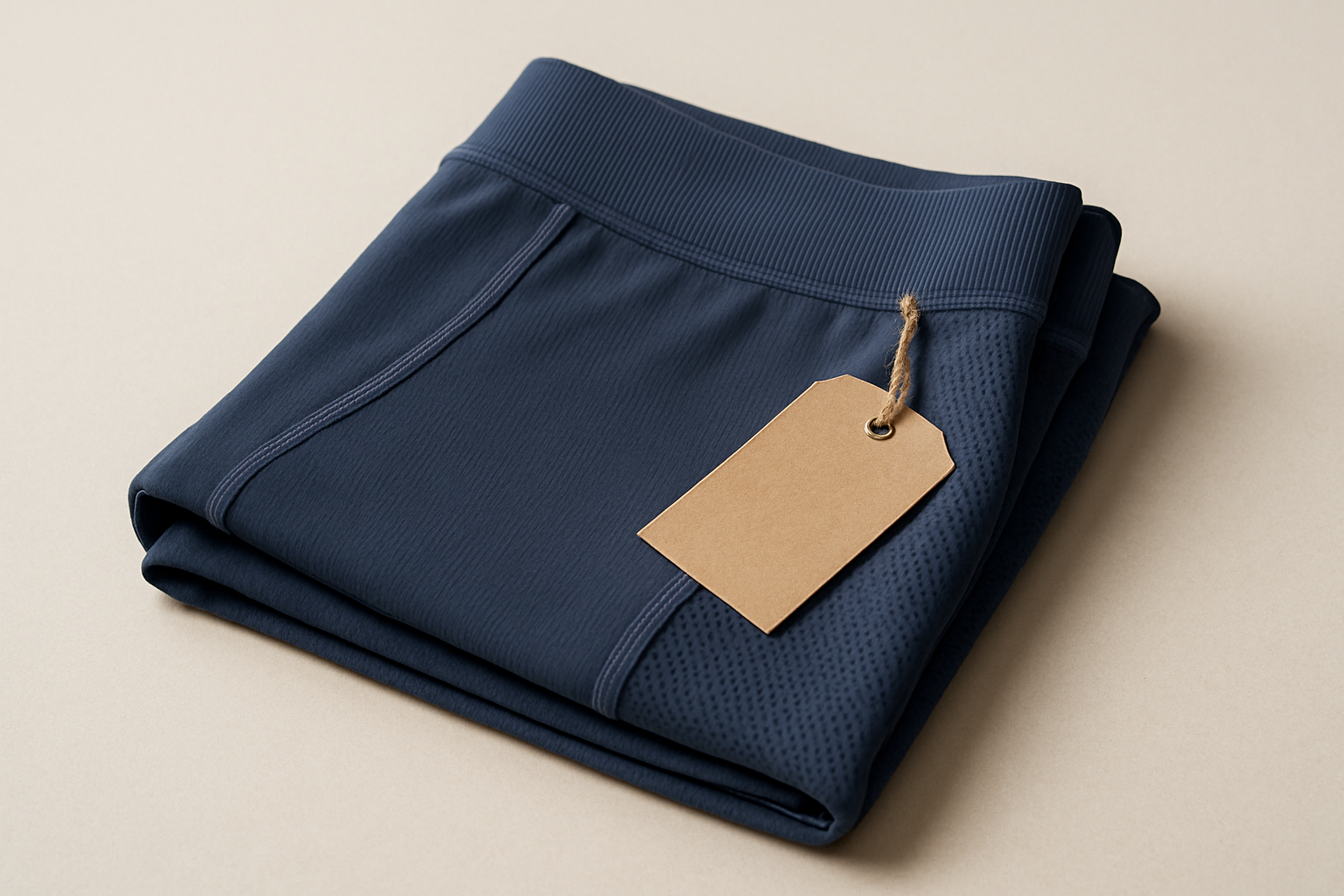
Why Should I File ISF For Sports Fitness Yoga Shorts
You need to understand this: the Importer Security Filing (ISF) is not a suggestion—it’s a legal filing required by U.S. Customs and Border Protection (CBP) for ocean shipments arriving into the United States. If you’re bringing in sports fitness yoga shorts, whether in bulk from overseas manufacturers or a few hundred pairs for retail, failing to file the ISF on time invites fines, detention, delays, and inspections. This article will walk you through the entire user journey from deciding to import to clearing customs, with full compliance tips, edge cases, and practical steps so you can stop making reckless mistakes.
Quick definition: What is ISF and why it matters
You’re required to submit the ISF (also known as “10+2”) to CBP at least 24 hours before the cargo is loaded onto a vessel bound for the U.S. The ISF provides CBP with specific data elements about the cargo, shipper, consignee, and logistics chain. It’s one of the first things CBP looks at to assess risk. You don’t get to skate by; the law forces your hand.
- ISF ensures CBP can screen sea cargo before it reaches U.S. shores.
- ISF violations carry civil penalties, potential cargo holds, or seizure.
- ISF is mandatory for ocean shipments destined to the U.S., including sports fitness yoga shorts.
Who exactly must file the ISF?
If you are the importer of record or the owner of the merchandise, the responsibility to file falls on you. If you’re a consignee or a designated agent, you’re also in the chain of accountability. Don’t assume the seller in China will take care of it—if you’re the importer, it’s your legal exposure.
- Importer of record: primary responsibility.
- U.S. agent/consignee: may have obligations depending on agreements.
- Customs broker: may file on your behalf but the liability often remains with you.
- Freight forwarder: may offer ISF filing as part of services, but confirm liability.
The core ISF data elements you absolutely must provide
CBP demands certain data elements. Missing or incorrect data is your ticket to a penalty notice. Here are the primary items:
- Importer of record name and address
- Seller (Exporter) name and address
- Buyer name and address
- Ship-to name and address
- Container stuffing location
- Consolidator (if applicable)
- Manufacturer (or supplier) name and address
- Country of origin
- Harmful items code? No—just ensure accuracy on origin and manufacturer
- House bill or master bill number
- Ten-digit Harmonized Tariff Schedule (HTS) classification (you need to know the right classification for your yoga shorts)
- Container numbers and seal numbers (if available yet)
Provide this information correctly and on time. If you don’t, CBP punishes mistakes.
Why sports fitness yoga shorts trigger scrutiny
You might think apparel is low-risk. Not so. Textile and apparel shipments are subject to higher scrutiny because of:
- Intellectual property issues (counterfeit clothing)
- Forced labor and Modern Slavery enforcement under UFLPA and other statutes
- Quota and labeling compliance
- Correct tariff classification (activewear vs. casual shorts)
- Fiber content and care label requirements for consumer protection
If you import yoga shorts made with specific blends (nylon/spandex), involve trims or hardware (drawstrings, metal logos), or claim certain performance characteristics (moisture-wicking, antimicrobial), you better be ready to prove it. CBP and other agencies can detain your goods for verification.
The start-to-finish process: how to file ISF correctly for yoga shorts
I’m laying this out step-by-step so you can’t screw it up. Follow it precisely.
Step 1 — Prepare documentation before booking the vessel
Don’t wait. You need the ISF-ready data before anything gets loaded on the ship in the origin country. Make the exporter, supplier, and logistics party provide accurate details.
- Get manufacturer legal name, full address, and country of manufacture.
- Obtain commercial invoice, packing list, and purchase order.
- Secure sample HTS classification numbers for the items.
- Confirm packaging details: number of cartons, gross weights, marks.
- Know whether the shipment is FCL or LCL and the container stuffing location.
If any of this is missing, you’re asking for penalties.
Step 2 — Choose who files the ISF and how
You can file yourself or authorize a customs broker or freight forwarder. If you’re an importer and inexperienced, get professional help—but be clear about liability and data responsibility.
- File yourself via the Automated Broker Interface (ABI) or ACE Portal if you have the capability.
- Hire a licensed customs broker or freight forwarder to file—ensure they confirm all data.
- Document the delegation: a written contract that spells out who verifies HTS, country of origin, and manufacturer data.
And for reference only: if you need an ISF Customs Broker in California for localized help, make sure they’re experienced with textile imports and U.S. apparel compliance. (Use that resource once and keep the receipts.)
Step 3 — Submit ISF no later than 24 hours before vessel load
Yes, 24 hours. No, CBP won’t extend it because your supplier “forgot.” You file at least 24 hours prior to loading at the foreign port. If the vessel’s departure is delayed, CBP sometimes accepts updates but don’t count on it.
- If you submit late, expect a minimum penalty that increases with the infraction.
- If filed early, you can amend as needed prior to arrival, but excessive amendments can trigger audits.
Step 4 — Monitor and update when necessary
After filing, keep monitoring the shipment. If container numbers change, if you get new supplier details, or if there’s a consolidation change, update the ISF immediately.
- Amendments are allowed but must be accurate and defensible.
- Keep records of who authorized changes and why—this helps if CBP audits you.
Step 5 — Arrival and release: post-ISF actions
Once the vessel arrives, CBP uses ISF data to determine inspections. If they don’t flag the shipment, you’ll still need to complete entry paperwork.
- Submit Entry/Entry Summary and pay duties, taxes, and fees.
- Provide proof of compliance for labeling and fiber content when requested.
- If CBP selects the shipment for inspection, produce samples and documentation promptly.
If CBP issues a notice of violation for ISF discrepancies, you better have documentation proving you acted in good faith.
Edge cases that are going to bite you if you’re sloppy
I’ll be blunt: people get tripped up in unusual scenarios. Here are edge cases and how to handle them.
Consolidated shipments and third-party consolidators
If your supplier uses a consolidator who puts several shippers into one container, you must know the consolidator’s identity and container stuffing location. Don’t let them hide behind “we’ll handle it.”
- Ensure the consolidator provides the master and house bill numbers.
- Your ISF must correctly reflect who stuffed the container and where.
Dropshipped orders and direct-to-consumer imports
If you’re dropshipping yoga shorts directly to consumer addresses in the U.S., and the seller ships multiple parcels, you might think ISF doesn’t apply. Wrong.
- ISF is required for ocean containerized shipments. If the merchant consolidates goods overseas, ISF applies.
- For small parcel shipments arriving via air, ISF is not the mechanism—but other filings and import regulations still matter.
Supplier changes and manufacturer substitutions
Suppliers sometimes substitute manufacturers or outsource production. You must update ISF with the actual manufacturer and country of origin. If you don’t, CBP will call you out.
- Keep a paper trail for any substitutions.
- If the alteration triggers different country of origin, you must update the HTS and labeling.
Short shipments, incomplete manifests, and transshipments
If your container is part of a transshipment or the manifest doesn’t match reality, you’ll face holds. Transshipment through a third port doesn’t exempt you.
- For transshipments, your ISF must reflect the entire chain where required.
- Discrepancies between manifest and ISF will lead to inspections.
Forced labor inquiries and source country risks
If your yoga shorts are made in regions flagged for forced labor risk, CBP can issue Withhold Release Orders (WROs) and detain items. Don’t be lazy about supplier vetting.
- Maintain supplier audits and certifications.
- Keep contracts that mandate supply chain transparency.
- Prepare supporting documents: audited factory lists, HR records, and procurement evidence.
Compliance tips and practical best practices you need to adopt this minute
You don’t get brownie points for optimism. These tips are the difference between clearance and an expensive legal fight.
Always use accurate HTS codes
- Misclassification is a common cause for penalties and over- or underpayment of duties.
- Get a customs broker or trade consultant to verify HTS for sports fitness yoga shorts; fiber content and intended use change classification.
Keep a compliance binder (digital or physical)
- Save invoices, contracts, vendor certifications, ISF submissions, amendments, and communications.
- CBP audits will demand supporting documentation—don’t act surprised.
Implement supplier onboarding and audits
- Verify manufacturer addresses, business licenses, and factory audits.
- Confirm labor practices and source of raw materials to avoid forced-labor exposure.
Automate data flow where possible
- Use Electronic Data Interchange (EDI), shipping portals, or your customs broker’s portal to reduce human error.
- Automate HTS validation and address formatting to reduce amendments.
Know the penalties and appeal rights
CBP can fine you for failure to file, late filing, or inaccurate data. Understand penalty structure and how to file protests.
- Small mistakes can be corrected—persistent negligence is punished.
- Consult a lawyer or customs counsel for high-value penalties or seizures.
How to handle ISF disputes and audits when CBP comes knocking
If CBP flags your shipment or opens an audit, don’t act like everything will just vanish. You need a methodical response plan.
Immediate steps when CBP issues an ISF notice
- Gather the original ISF submission and any amendments.
- Collect invoices, bills of lading, supplier correspondence, and any packing evidence.
- Prepare a clear timeline of who provided each data element and when.
Administrative protest and penalty mitigation
- If you receive a penalty notice, you can request mitigation if you show reasonable care or correct action taken.
- Protests may be necessary for erroneous penalties—hire counsel if the amount is significant.
Internal corrective action plan
- After an incident, update your procedures to prevent recurrence.
- Revise supplier agreements to include ISF data provisioning requirements.
- Train staff and vendors on ISF deadlines and data accuracy.
Why using a professional matters and how to pick the right partner
You could try to manage everything yourself, but the cost of mistakes is outrageous. Use a customs broker, freight forwarder, or import compliance specialist—wisely.
What a reputable provider should do for you
- File ISF timely and accurately, with auditable confirmation.
- Offer guidance on HTS, country of origin, labeling, and forced labor checks.
- Provide linkage between ISF and entry filing to ensure smooth release.
- Help manage bonds, duties, and post-entry audits.
How to vet a customs broker or forwarder
- Verify licensing, years of experience, and specific apparel/import experience.
- Ask for references in the apparel/textile sector.
- Confirm they provide written liability and scope of work.
- Check their tech stack for EDI/ACE integration and audit trails.
If you specifically need assistance near the West Coast, check for an ISF Customs Broker in California who knows port-specific procedures, pier restrictions, and local CBP personnel expectations. Use them once if you must; ensure they’re competent.
Cost components: what filing ISF actually costs you
You’ll pay fees for various stages. Know what you’re paying for so you can’t be taken advantage of.
- ISF filing fees: small per-file amounts charged by brokers/forwarders.
- Customs duties and taxes: based on HTS classification and valuation.
- Harbor maintenance fees and processing charges.
- Broker fees for entry, duties payment, and coordination.
- Possible demurrage/detention if cargo is held due to ISF issues.
Yes, it costs money. But not filing costs way more.
Real-world scenarios and case studies (without fluff)
You need tangible examples so you don’t assume abstract compliance is fine.
Case 1: Late ISF, container held at port
A small startup imported yoga shorts and relied on their overseas vendor to file ISF. The vendor filed too late. CBP issued a late filing penalty and the container was held, causing demurrage costs and missed retail deadlines. The penalty and port fees surpassed the shipment’s profit margin. Result: humiliating reorder costs and a ruined seasonal launch.
Lesson: File yourself or ensure your broker/vendor files timely, with proof.
Case 2: Wrong HTS results in retroactive duties
A merchant misclassified the shorts as a lower-duty category; CBP audited and demanded additional duties and interest. The merchant had no sufficient documentation to defend classification and ended up paying more than expected. They also faced fines for inaccurate documentation.
Lesson: Invest in classification expertise up front.
Case 3: Forced labor concern stops cargo
A batch of activewear was traced to a factory later linked to forced labor. CBP detained the cargo under a Withhold Release Order. The importer had not conducted supplier audits and had no documentation proving otherwise. The shipment was ultimately denied entry.
Lesson: Supplier vetting and forced labor documentation are mandatory.
Common misconceptions you need to stop believing
I’m blunt because you need to stop lying to yourself.
- “My freight forwarder will handle everything.” Maybe. But liability often remains with you unless contractually transferred. Verify and document.
- “ISF is only for big importers.” No. ISF applies to anyone importing by ocean into the U.S.—size doesn’t matter.
- “I can fix errors after arrival.” Not without consequences. Late amendments bring fines and delays.
- “Apparel is low-risk.” Wrong. Textiles attract inspections and forced labor scrutiny.
Checklist you must use before shipment
If you want a quick actionable list to avoid nightmares, here it is. Do not skip any item.
- Confirm manufacturer name and full address.
- Get supplier certification and factory audit reports.
- Determine country of origin and document source of fibers.
- Assign correct HTS codes and keep classification rationale.
- Obtain container stuffing location and consolidator info.
- Secure house/master bill numbers and container IDs.
- Contract a competent customs broker or set up ACE filing.
- File ISF at least 24 hours prior to vessel loading.
- Monitor shipment and amend ISF only with documented reasons.
- Keep complete records for five years (standard CBP retention).
What happens if you ignore ISF responsibilities?
Be blunt with yourself: ignoring ISF is gambling with regulatory firearms.
- You will likely receive a civil penalty for failure to file or for inaccuracies.
- Your cargo may be held, increasing demurrage and detention costs.
- Reputational damage if goods are tied to forced labor issues.
- Ongoing scrutiny and audits by CBP for repeat offenders.
- Possible criminal penalties if willful fraud is found.
Final blunt advice: get your act together
You’re importing tangible goods into a highly regulated jurisdiction. If you treat ISF as optional, you’re not a business—you’re a liability magnet. Follow the process: collect accurate data, file on time, document everything, and use qualified partners. This is not about saving a buck on broker fees; it’s about avoiding ruinous fines, lost inventory, and ruined business relationships.
If you’re unsure about a single data element, ask the right people and get it on record. If you want help in the U.S., and you’re operating out of a port on the West Coast, consult an ISF Customs Broker in California who handles textile and apparel imports. They’ll save you from amateur mistakes that cost fortunes.
Closing warning you’ll ignore at your peril
You can’t plead ignorance. ISF is a simple requirement with consequences you can predict. Either file correctly or pay the price. Your sports fitness yoga shorts won’t make it to your customers if you keep ignoring the law. So quit pretending the rules are optional and do the work.
(End of article)
