

Importing Office Technology And Equipment For Hybrid Workspaces And Flexible Work Arrangements For Businesses, Government Agencies, And Organizations Into The USA

Are you looking to upgrade your office technology and equipment to accommodate hybrid workspaces and flexible work arrangements? Importing the latest tools and devices can streamline operations and enhance productivity for your business, government agency, or organization in the USA. By incorporating cutting-edge technology and ergonomic equipment, you can create a modern and adaptable work environment that meets the needs of remote and in-office workers alike. Whether you need collaborative software, adjustable desks, or video conferencing systems, importing these innovative solutions can help your team thrive in today’s dynamic work landscape. Have you ever wondered how businesses and organizations in the USA import office technology and equipment for their hybrid workspaces and flexible work arrangements? If you’re curious about the process and what it entails, you’ve come to the right place. In this article, we’ll walk you through the ins and outs of importing office technology and equipment into the USA for various types of work environments.
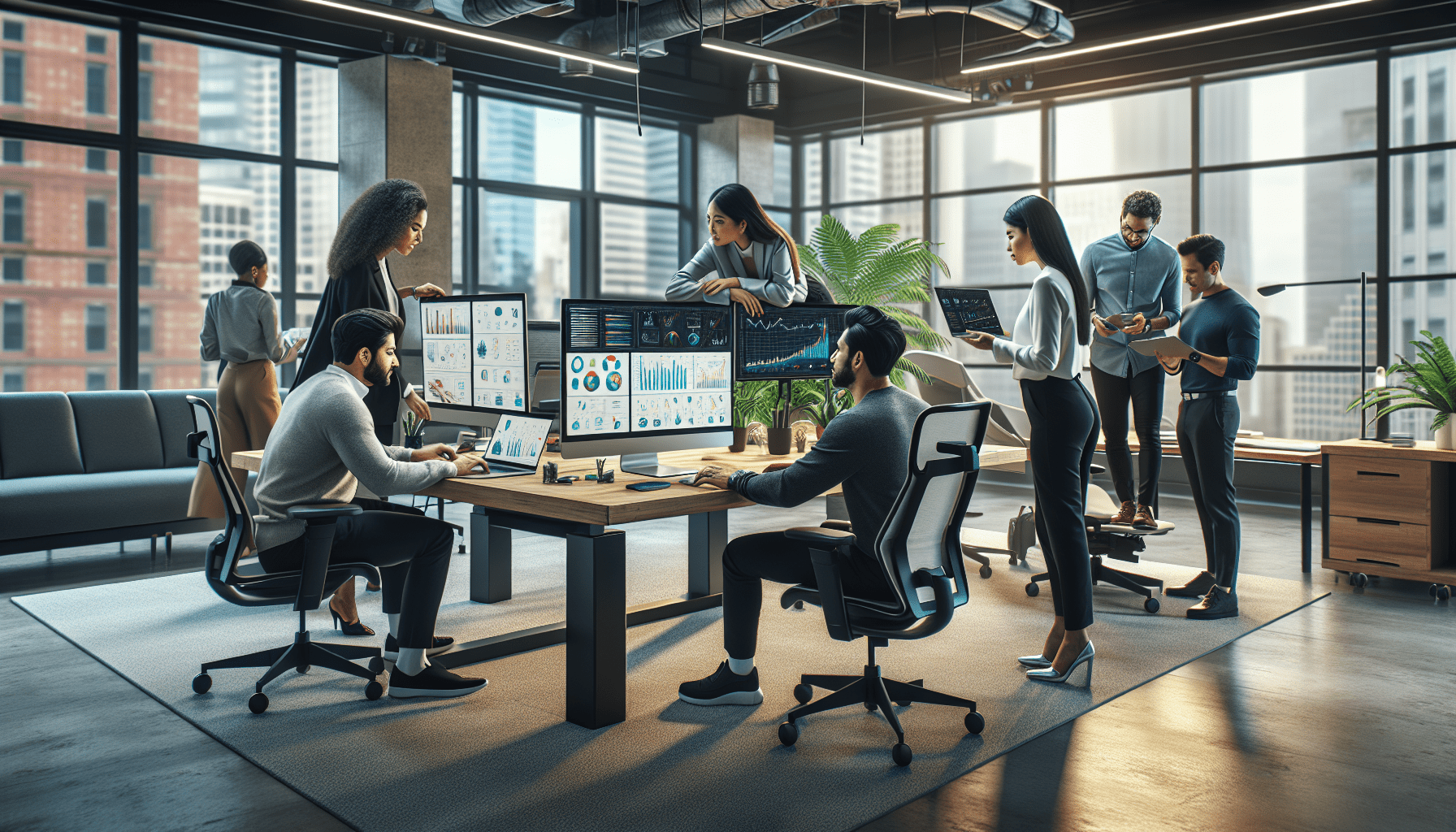

Understanding the Need for Importing Office Technology and Equipment
Let’s start by understanding why businesses, government agencies, and organizations opt to import office technology and equipment for their hybrid workspaces and flexible work arrangements.
You see, with the rise of remote work and the shift towards hybrid work models, many companies are looking for ways to support their employees whether they work from home, in the office, or a combination of both. This has created a demand for technology and equipment that can facilitate seamless communication, collaboration, and productivity regardless of where individuals are working from.
Types of Office Technology and Equipment Needed
When it comes to setting up a hybrid workspace or accommodating flexible work arrangements, there are several types of office technology and equipment that are essential. From laptops and monitors to video conferencing systems and ergonomic furniture, there’s a wide range of tools and devices that companies may need to import to create an efficient and effective work environment.
Importing Process and Regulations
Importing office technology and equipment into the USA involves navigating a series of processes and regulations to ensure compliance with customs and trade laws. It’s important to familiarize yourself with the requirements and procedures involved in importing goods to avoid any delays or issues with receiving your shipments.
One key aspect of the importing process is determining the classification of the items you’re importing. Each product is assigned a specific Harmonized System (HS) code that helps customs authorities identify and classify goods for duty and tax purposes. It’s important to accurately classify your items to ensure smooth customs clearance and avoid any unnecessary costs.
Working with Customs Brokers and Freight Forwarders
To simplify the importing process and ensure everything goes smoothly, many businesses choose to work with customs brokers and freight forwarders. These professionals have expertise in customs regulations, documentation requirements, and logistics, making them invaluable partners when importing goods into the USA.
Customs brokers assist with customs clearance procedures, ensuring that all necessary documentation is completed correctly and submitted on time. They can also help you navigate any issues or obstacles that may arise during the importing process.
Freight forwarders, on the other hand, handle the transportation and logistics of your goods from the point of origin to the final destination. They coordinate the movement of your shipments, arrange for transportation, and ensure that your items are delivered safely and on time.


Understanding Duty and Tax Implications
When importing office technology and equipment into the USA, it’s important to be aware of the duty and tax implications that may apply to your shipments. Duty rates vary depending on the classification of the goods you’re importing, as well as the country of origin. Taxes such as sales tax or value-added tax (VAT) may also be applicable, depending on the nature of the items you’re importing.
To accurately estimate the duty and taxes you’ll need to pay, you can use online tools and calculators provided by customs authorities or consult with a customs broker for guidance. Understanding the financial implications of importing goods can help you plan and budget accordingly for your shipments.
Choosing the Right Suppliers and Manufacturers
When importing office technology and equipment for hybrid workspaces and flexible work arrangements, it’s crucial to choose the right suppliers and manufacturers to ensure quality, reliability, and compliance with regulations. Working with reputable suppliers who adhere to international standards and best practices can help you avoid potential issues with product quality and delivery.
Before selecting a supplier or manufacturer, conduct thorough research, read reviews, and request samples or product specifications to assess the quality of their offerings. It’s also advisable to verify their compliance with relevant regulations and certifications to guarantee that the products you’re importing meet required standards.
Evaluating Transportation Options
Selecting the most suitable transportation options for importing office technology and equipment into the USA is an important consideration to ensure timely and cost-effective delivery of your goods. There are several transportation modes available, each with its own advantages and considerations.
Air freight offers fast transit times and is ideal for urgent shipments or time-sensitive items. However, it can be more expensive compared to other modes of transportation. Sea freight, on the other hand, is a cost-effective option for bulky or non-perishable goods but may have longer transit times.
Road freight and rail freight are viable options for domestic transportation within the USA or neighboring countries. They offer flexibility and convenience for door-to-door delivery of goods. It’s important to weigh the pros and cons of each transportation mode based on your specific needs and requirements.
Setting Up Hybrid Workspaces and Flexible Work Arrangements
Once your office technology and equipment have been successfully imported into the USA, the next step is setting up hybrid workspaces and accommodating flexible work arrangements for your employees. This involves configuring workstations, installing communication tools, and implementing policies and guidelines to support remote work and collaboration.
Consider the layout and design of your workspace to promote productivity and comfort among employees. Incorporate ergonomic furniture, adjustable desks, and adequate lighting to create a conducive work environment. Provide employees with the necessary technology and equipment such as laptops, monitors, headsets, and webcams to facilitate seamless communication and collaboration.

Compliance with Data Security and Privacy Regulations
An important aspect of setting up hybrid workspaces and flexible work arrangements is ensuring compliance with data security and privacy regulations to safeguard sensitive information and prevent unauthorized access. With employees working remotely or in shared spaces, it’s essential to implement measures to protect data and maintain confidentiality.
Establish clear guidelines and protocols for data security, including the use of encrypted communication channels, secure network connections, and multi-factor authentication for accessing corporate systems. Train employees on best practices for handling sensitive information and educate them on potential cyber threats and risks associated with remote work.
Monitoring and Evaluating Workplace Performance
To maximize the effectiveness of your hybrid workspaces and flexible work arrangements, it’s essential to monitor and evaluate workplace performance regularly. By tracking key performance indicators (KPIs) and employee productivity metrics, you can identify areas for improvement, address any challenges, and optimize your work environment accordingly.
Utilize tools and software applications that provide real-time insights into employee performance, collaboration patterns, and task completion rates. Conduct regular surveys and feedback sessions with employees to gather their input and suggestions for enhancing the work experience. By analyzing data and feedback, you can make informed decisions and adjustments to improve overall workplace productivity and satisfaction.
Conclusion
Importing office technology and equipment for hybrid workspaces and flexible work arrangements into the USA involves various considerations and steps to ensure a smooth and successful process. By understanding the requirements, regulations, and best practices involved in importing goods, you can set up efficient and effective work environments that support the diverse needs of your employees.
Whether you’re a business, government agency, or organization looking to enhance your workplace with modern technology and equipment, the key is to plan ahead, work with reliable partners, and prioritize compliance and quality throughout the importing process. By investing in the right tools and resources, you can create dynamic workspaces that foster innovation, collaboration, and productivity in the evolving landscape of work.

